Mini Fidget Antistress Games
The Fashion ValleyCasual
4.5163.00 Reviews
- Version
- 0.3.1
- Installs
- 10.00M
- Age Rating
- Everyone 10+
Screenshots
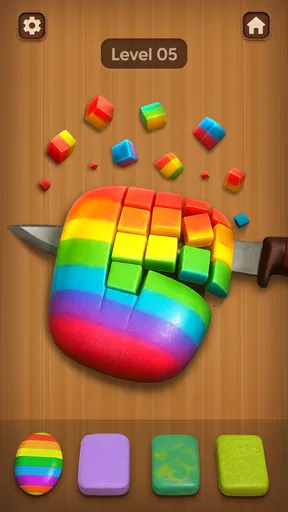
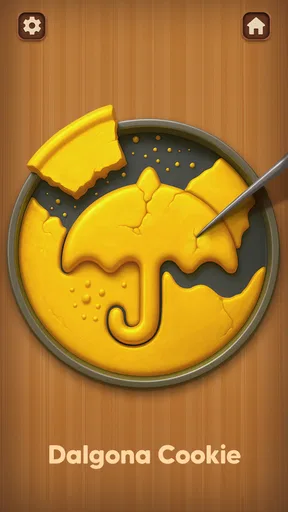
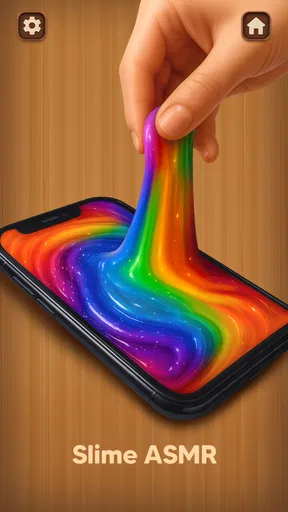
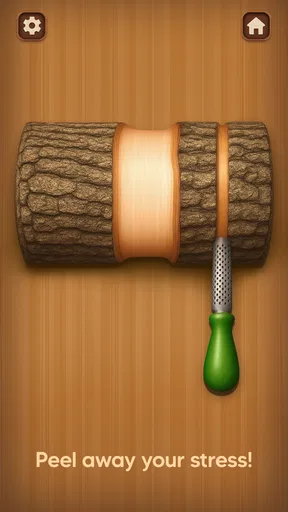
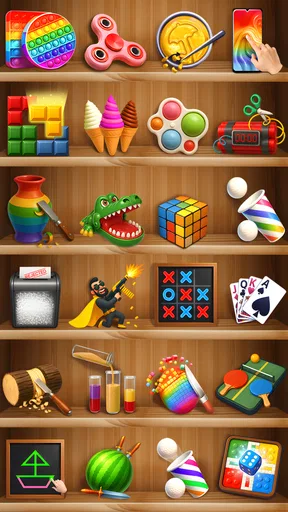
Our Review of Mini Fidget Antistress Games
 Analysis by Appyee
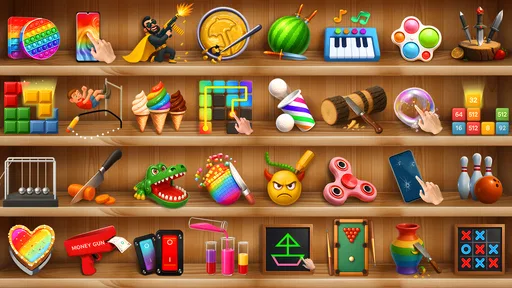
I downloaded Mini Fidget Antistress Games expecting a quick distraction rather than a game I would keep returning to. That expectation turned out to be useful: this is a casual collection built around simple, relaxing interactions, not a progression-heavy title that demands planning, competition, or a long session. Its appeal is immediate because the basic idea is easy to understand. You open it, choose a small activity, and spend a few moments with tactile-style play designed to settle restless hands.
My first impression was positive, especially when I wanted something lighter than a conventional mobile game. The experience suits short breaks, waiting rooms, winding down before sleep, or those moments when concentrating on a video or conversation feels like too much. At the same time, its long-term value depends heavily on whether you enjoy repetition. The first week is likely to be the strongest part of the experience; after that, the question becomes whether the mini games remain useful as a personal calming routine.
How the first week feels
The game comes from The Fashion Valley and sits firmly in the casual category. It is free to start, with optional in-app purchases listed between $4.99 and $5.99 per item. That makes the initial decision straightforward: there is little reason not to try it if you are curious about fidget-style play, but I would still treat the paid items as optional rather than assuming they are necessary for the basic experience.
The opening appeal comes from low friction. I do not need to learn a complicated control scheme or remember a story. The activities are meant to be approached almost instinctively, which is exactly what I want from a stress-relief toy on a busy day. A game that requires goals, timers, or careful resource management can create another obligation. This one works better when I use it without trying to “win” anything.
That distinction matters. I would not describe it as a traditional puzzle game, even though some mini games may invite repeated interaction. The point is less about solving a difficult challenge and more about giving my attention a small, manageable object. For someone who likes the sensation of tapping, pressing, or completing simple repetitive actions, that can be more satisfying than scrolling through social media.
During the first few sessions, I found it easiest to use when I set a very modest purpose. I might open it while waiting for an appointment and play until I felt ready to put the phone away. I would not recommend beginning with the expectation of spending an entire evening inside the app. Its strength is the small pause, not the marathon session.
The store gives the game an Everyone 10+ content rating, which matches the gentle, accessible direction. Parents should still use their own judgement about screen habits and optional purchases, but the concept itself is much less intense than action games, competitive multiplayer titles, or games built around frightening themes. It is also a reasonable choice for older users who want a simple interface rather than a demanding game loop.
One useful early habit is to notice which activities actually calm you and which merely keep you occupied. Those are not always the same thing. A repetitive interaction may feel pleasant for a few minutes but become irritating if I continue after the relaxation has already faded. I get more from the app when I stop at the first sign of boredom instead of treating the session like a target to complete.
Who gets the most from the novelty
This is a good match for people who already enjoy physical fidget toys but do not always have one nearby. It can also suit users who want a quiet alternative to games with scores, opponents, or constant rewards. If you are trying to reduce casual scrolling, opening a contained mini-game collection may provide a more deliberate interruption, although it still keeps you on a phone and should not be confused with a screen-free relaxation method.
I can also see it working for a student taking short study breaks, an office worker resetting between tasks, or a traveler who wants something less absorbing than a full game. The important word is “short.” The app is at its best when it fills an empty few minutes without turning those minutes into an hour.
On the other hand, I would skip it if I need a strong sense of progression. There is no reason to choose this over a puzzle adventure, simulation game, or competitive title if my main goal is challenge and achievement. People who need fresh objectives every time they play may enjoy the first encounters but quickly start asking what comes next.
What changes after the first few weeks
The novelty of a fidget interaction naturally wears down. At the beginning, simply having several small activities to sample can feel refreshing. Later, I become more selective. I stop opening everything and return only to the interactions that match my mood. That is not necessarily a flaw, but it does mean the app becomes more like a small personal toolkit than a game I explore from beginning to end.
This is where the collection’s recurring value is tested. A relaxation app does not need to surprise me every day, but it does need to remain easy to reach and pleasant enough to use. If I associate it with a specific routine, such as a five-minute pause after work, it has a better chance of staying installed. If I only open it when I am curious about another mini game, the reason to return may disappear quickly.
My most practical approach is to keep the sessions intentional. I would choose one activity before opening the app, use it briefly, and then leave rather than browsing indefinitely. That prevents the collection from turning into another source of passive consumption. It also makes it easier to judge whether the experience is genuinely helping me settle down.
The current version is 0.2.3, and the game was released on October 23, 2024. Those details place it in a relatively early stage of its life, so I would keep expectations measured. The foundation is clear, but a product like this depends on how well its developer keeps the experience feeling comfortable and worthwhile over time. A small collection can be enough if it is polished and satisfying; it can also feel thin if repeated sessions expose too little variety.
Its popularity suggests that the concept has broad appeal. The game has passed 10 million installs, carries a 4.5 average rating, and has around 45 thousand ratings. Those figures make it easier for me to recommend trying, but they do not remove the central personal question: do these interactions become part of your routine, or do they feel interesting only once?
Building a repeatable calming routine
The strongest long-term use case is not random play. I would link it to a moment that already exists in my day. For example, after finishing a difficult work call, I could use one mini game while taking a few slow breaths, then close the app. The game supplies a simple focus point, while the routine supplies the meaning. Without that surrounding habit, the same actions may feel like ordinary tapping.
Another useful workflow is to use it as a transition rather than a reward. I might play briefly before starting household chores, commuting, or preparing for bed. The goal is to mark the end of one activity and the beginning of another. This works better for me than opening it whenever I feel vaguely bored, because boredom can lead to endless switching between activities without much relaxation.
I would also avoid using it during tasks that require full attention. A fidget game may help with restlessness during a pause, but it is not a substitute for focusing on a meeting, driving safely, or listening to someone. Its value comes from giving me a small, controlled break, not from occupying every spare second.
Where the experience starts to wear thin
The main maintenance burden is not technical complexity; it is deciding whether the app still deserves a place on the home screen. A collection based on simple mini games can be easy to revisit, but it can also become invisible after the first burst of curiosity. I need to keep my expectations realistic and accept that the app may be a seasonal tool rather than a permanent daily game.
There is also a trade-off between convenience and depth. A physical fidget toy offers one focused sensation without notifications, browsing, or battery concerns. A mindfulness app may provide breathing guidance, structured sessions, or reflective exercises. A conventional casual game may offer clearer goals and more variety. Mini Fidget Antistress Games sits between these choices: more interactive than a static relaxation exercise, but less structured than a full game and less tactile than a real object.
That middle position is its identity, but it is also its limitation. If I want a screen-free way to calm down, I should choose a physical alternative. If I want measurable progress, I should look elsewhere. If I want guided stress management, a dedicated wellness product may be more appropriate. I recommend this game when I want uncomplicated digital fidgeting, not when I am looking for a complete mental-health routine.
Repetition is the largest source of fatigue. The same easy interactions that feel soothing on a tired afternoon may seem empty when I am actively looking for stimulation. I notice this especially when I open the app without a clear reason and move through activities simply to find something new. That browsing phase can make the collection feel smaller than it did during the first week.
Another possible friction point is the presence of optional purchases. The game is free, which makes experimenting easy, but the listed item prices are high enough that I would not buy impulsively for a minor distraction. I would first use the free experience repeatedly and decide whether a paid item would add meaningful value to my routine. For this type of app, paying should be based on sustained use, not first-day excitement.
The age rating and simple concept make it approachable, but accessibility is still personal. Some people enjoy repetitive touch interactions; others find them irritating or prefer audio, breathing prompts, or visual calm. I would not assume that a fidget game automatically relaxes everyone. The best test is to observe how I feel after a short session: calmer and ready to continue my day, or restless and searching for another activity.
How it compares with familiar alternatives
Compared with a standard casual game, this title asks less from me. There is no need to chase a high score or learn a complicated system before the experience becomes useful. That makes it better for a quick reset, but worse for anyone who wants a reason to keep improving. Traditional casual games usually offer stronger goals; this one offers a softer landing.
Compared with digital coloring, ambient apps, or guided meditation, it is more hands-on. I can interact rather than simply watch or follow instructions. The trade-off is that it may provide less structure and less emotional guidance. When I am genuinely overwhelmed, a guided breathing session or a quiet walk may help more than any collection of tapping activities.
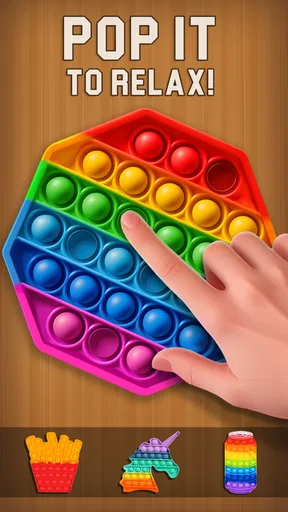
Compared with a physical pop-it toy, the phone version is easier to carry because it is already on a device I may have with me. However, the screen can also pull me toward unrelated apps. For a person trying to reduce phone use, that is a meaningful disadvantage. I would choose the physical toy when I want the most direct fidget experience, and this game when convenience matters more.
The developer’s challenge is therefore not simply adding more mini games. Long-term value would come from making the existing interactions feel dependable, comfortable, and easy to return to without pressure. As a user, I care less about a huge menu than about whether I can quickly find the right kind of pause when I need one.
Who should install it and who should pass
I would recommend giving it a try if you want a free, low-pressure casual game for short breaks, enjoy fidget-style interactions, and do not require a story or progression system. It is particularly suitable for people who can set their own stopping point and who appreciate a small digital ritual more than a demanding challenge.
I would pass if the main goal is deep replayability, competitive excitement, or a structured relaxation course. I would also be cautious if I am trying to spend less time looking at screens, because even a calming app can become another reason to pick up the phone. In that situation, a physical fidget object, a walk, or a non-screen breathing routine may better match the goal.
For families, the Everyone 10+ rating provides a useful general guide, but I would still discuss purchase settings and screen limits before handing over the device. The free entry point is convenient, while the optional items mean that responsible use matters more than simply installing the game.
My long-term verdict
After the novelty fades, Mini Fidget Antistress Games earns space only when I give it a specific job. It is not a game I would open every day for progression, and I would not pretend that repetitive mini games can replace proper rest or professional support. Its lasting value is narrower but real: it can provide a gentle, ready-to-use pause when I want something more active than breathing exercises and less demanding than a normal game.
The best reason to keep it installed is not endless variety, but dependable access to a short digital reset. I would use it in small sessions, avoid buying anything until the free experience had proved useful, and remove it if it became another habit of aimless scrolling. Used that way, the game is a pleasant casual companion rather than a major entertainment destination.
The 4.5 average and broad install base show that many players connect with the idea, while the developer’s early version leaves room for the experience to mature. My recommendation is positive but specific: try it when you want simple fidget play, keep your sessions brief, and judge it by how often it genuinely helps you transition back to real life.
Privacy and Permissions
See what permissions an app requests and how it handles your data.
- Wi-Fi connection information
- view Wi-Fi connections
- Other
- view network connections, full network access, control vibration, prevent device from sleeping
Verdict
Strengths of Mini Fidget Antistress Games
- Quick mini-games are ideal for short breaks or waiting times.
- Simple controls make the app accessible to users of all ages.
- The variety of activities helps prevent repetitive gameplay.
- Offline access makes it useful when there is no internet connection.
- Relaxing interactions can help reduce boredom and everyday tension.
Limitations of Mini Fidget Antistress Games
- Some mini-games may feel too basic for experienced players.
- The app can become repetitive after extended play sessions.
- Advertisements may interrupt gameplay or relaxation moments.
- Certain activities may respond better on larger screens.
- Limited depth may reduce its long-term appeal for some users.
Other Releases by The Fashion Valley
View All
Icecream Cone Cupcake Baking
Strategy3.2

Sticker Doll DIY Dressup Diary
Role Playing3.7

Complete Puzzle: Draw One Part
Puzzle4.7

Cake Maker DIY: Baking Games
Role Playing4.6
Similar Picks in This Category
View All
My Talking Angela
Outfit7 Limited4.2

My Talking Tom
Outfit7 Limited4.3

Pou
Zakeh4.2

My Talking Tom 2: Pet Game
Outfit7 Limited4.3

Candy Crush Saga
King4.6

Bridge Race
Supersonic Studios LTD4.1
Frequently Asked Questions
What is Mini Fidget Antistress Games?
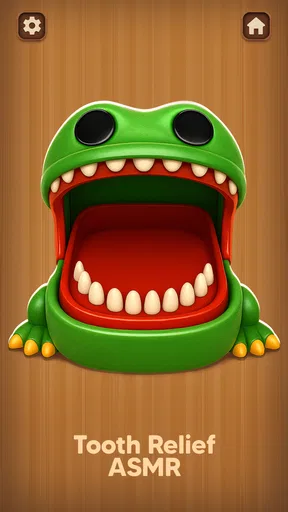
Mini Fidget Antistress Games is a casual relaxation app that combines small interactive activities designed to keep your hands and mind occupied. It typically includes simple fidget-style toys, tapping challenges, soothing interactions, and short mini-games. The experience is easy to understand and does not require advanced gaming skills, making it suitable for quick breaks, stress relief, or casual entertainment.
How does Mini Fidget Antistress Games help with stress?
The app offers repetitive and uncomplicated interactions, such as tapping, swiping, pressing, and completing short activities. These mechanics can provide a calming distraction when you feel bored, restless, or mentally tired. However, it should be viewed as a casual relaxation tool rather than a medical treatment. Its effectiveness may vary depending on your preferences and the type of activity you find soothing.
Is Mini Fidget Antistress Games suitable for children?
The simple controls and colorful mini-games may make Mini Fidget Antistress Games appealing to children, but parents should check the app’s age rating, advertising policy, and privacy information before installation. Some versions may include ads, optional purchases, or links to other content. Adult supervision is recommended, especially for younger children using a shared device or playing for extended periods.
Does Mini Fidget Antistress Games require an internet connection?
Many of the basic fidget activities and mini-games may be playable without a constant internet connection, which is convenient for travel or offline breaks. Nevertheless, certain features can depend on connectivity, including advertisements, analytics, updates, cloud-related functions, or in-app purchase verification. Availability may differ between Android and iOS versions, so it is best to confirm the store listing before downloading.
Is Mini Fidget Antistress Games free to download?
Mini Fidget Antistress Games may be available as a free download, but free access does not always mean that every feature is included without limitations. The app can contain advertisements, optional in-app purchases, or paid content that unlocks additional activities or removes ads. Before installing, review the store page carefully and check the permissions, subscription terms, and purchase details.
Play our best games!


